Ditch Installation in Atlanta, GA
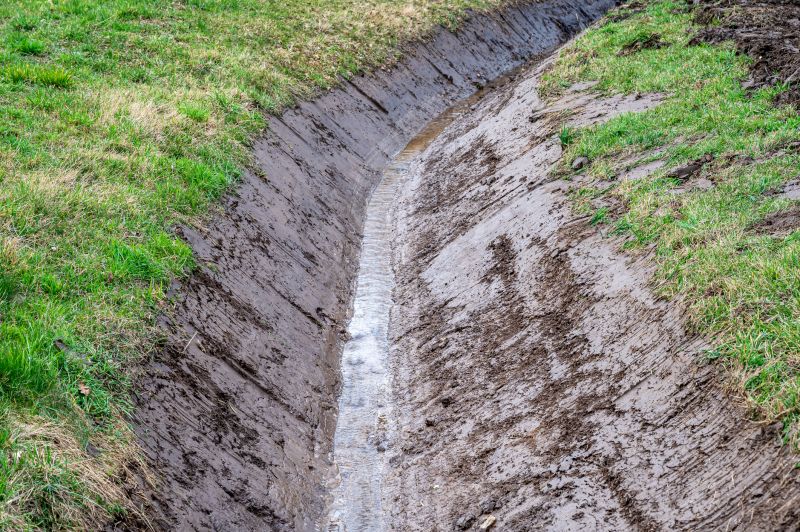
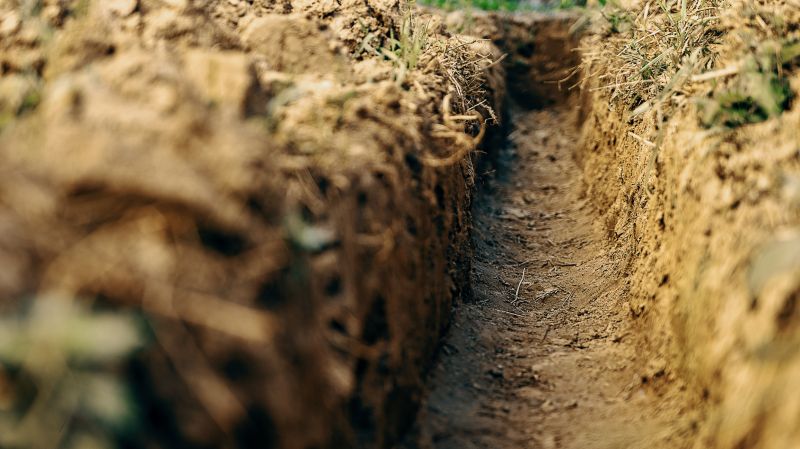
Ditch installation services involve creating a designated channel or trench in the ground to manage water flow, drainage, or underground utilities. These projects often include installing drainage ditches to prevent flooding, French drains to redirect water away from foundations, or trenches for utility lines like electrical or irrigation systems. Property owners typically seek this service to improve drainage around their homes, protect landscaping, or prepare for new infrastructure, ensuring water is directed away from structures and preventing water damage.
Before requesting ditch installation, property owners should consider the location and purpose of the trench, the type of soil, and any existing underground utilities. Understanding the scope of the project, including the length, depth, and materials needed, helps ensure proper planning and execution. Clarifying drainage goals and addressing any local regulations or permits can also facilitate a smoother process for installing effective and durable drainage solutions.
Many property owners in Atlanta, GA look into Ditch Installation for repairs, replacements, upgrades, and appearance-related improvements.
Types Of Ditches
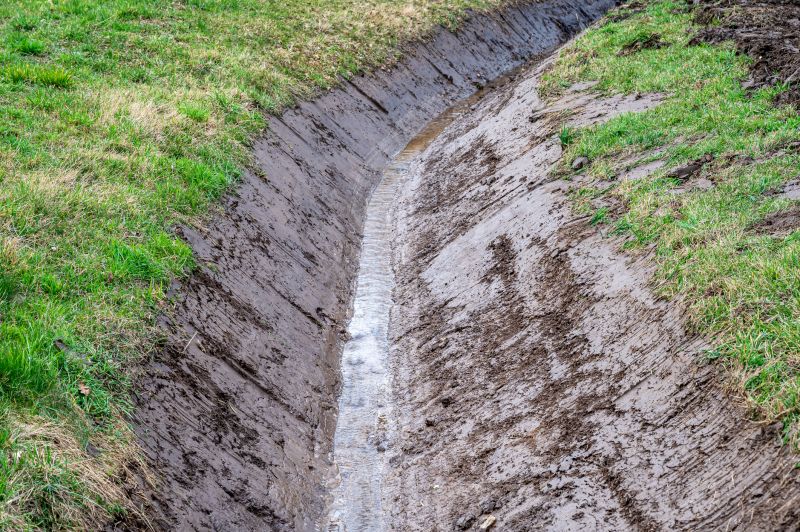
Various ditch styles are suitable for drainage, irrigation, and property management in atlanta.
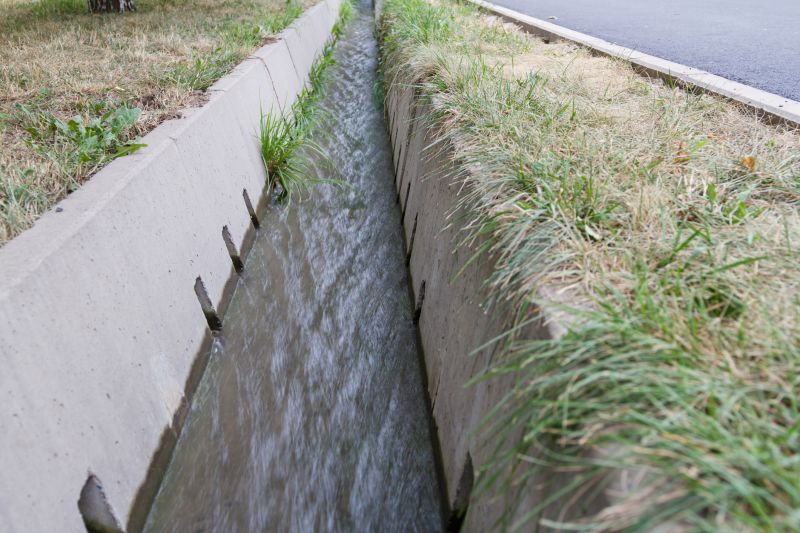
Ditch Installation Benefits
Proper ditch installation helps prevent water accumulation and protects landscaping on residential properties.
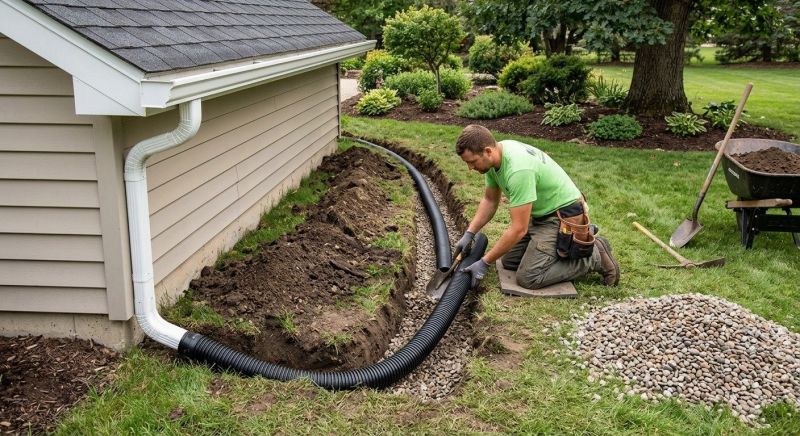
Common Projects
Ditches are often installed for yard drainage, farm irrigation, or to manage stormwater runoff in the area.
Ditch Installation in Atlanta, GA

Ditch installation services involve creating a designated channel or trench in the ground to manage water flow, drainage, or underground utilities. These projects often include installing drainage ditches to prevent flooding, French drains to redirect water away from foundations, or trenches for utility lines like electrical or irrigation systems. Property owners typically seek this service to improve drainage around their homes, protect landscaping, or prepare for new infrastructure, ensuring water is directed away from structures and preventing water damage.
Before requesting ditch installation, property owners should consider the location and purpose of the trench, the type of soil, and any existing underground utilities. Understanding the scope of the project, including the length, depth, and materials needed, helps ensure proper planning and execution. Clarifying drainage goals and addressing any local regulations or permits can also facilitate a smoother process for installing effective and durable drainage solutions.
Many property owners in Atlanta, GA look into Ditch Installation for repairs, replacements, upgrades, and appearance-related improvements.
Common Ditch Installation Jobs
Drainage System Installation - helps prevent water pooling and protects property foundations.
French Drain Installation - directs excess water away from basements and landscaping areas.
Surface Drainage Solutions - manages runoff to reduce erosion and water damage.
Downspout Drainage Extensions - improve rainwater flow away from building structures.
Drainage System Repairs - address clogs, leaks, or damaged components for optimal performance.
Subsurface Drain Installation - reduces soil saturation and minimizes basement flooding risks.
Ditch Installation Questions
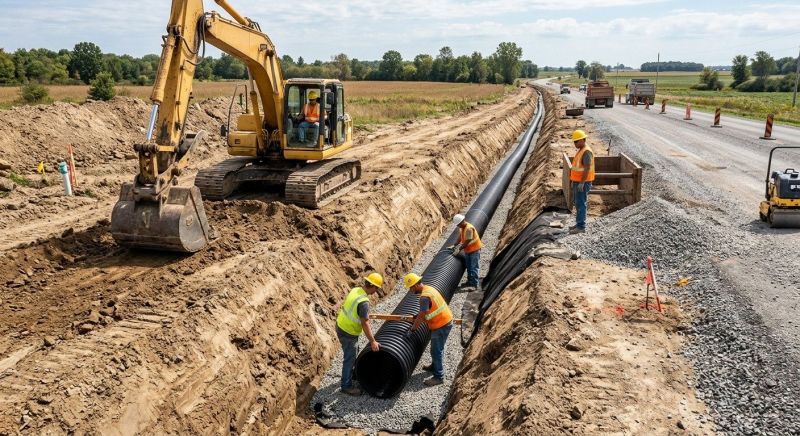
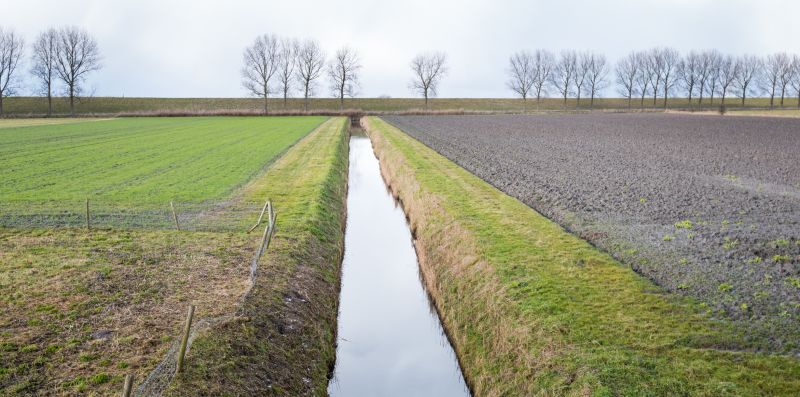
What is the purpose of a ditch installation? Ditch installation helps manage water runoff, prevent erosion, and improve drainage around a property.
What types of projects typically require a ditch? Ditches are often used for yard drainage, stormwater management, and redirecting water away from foundations.
What materials are used for ditch installation? Common materials include soil, gravel, and sometimes concrete or plastic piping for enhanced drainage.
Is professional installation necessary for a ditch? Yes, professional installation ensures proper grading and placement for effective water management.
Request Ditch Installation in Atlanta, GA
Use the quote form on this page to share the basics of your project and request more information for the type of work you need.